Historic Patterns: The Harlequin
Mar 03, 2026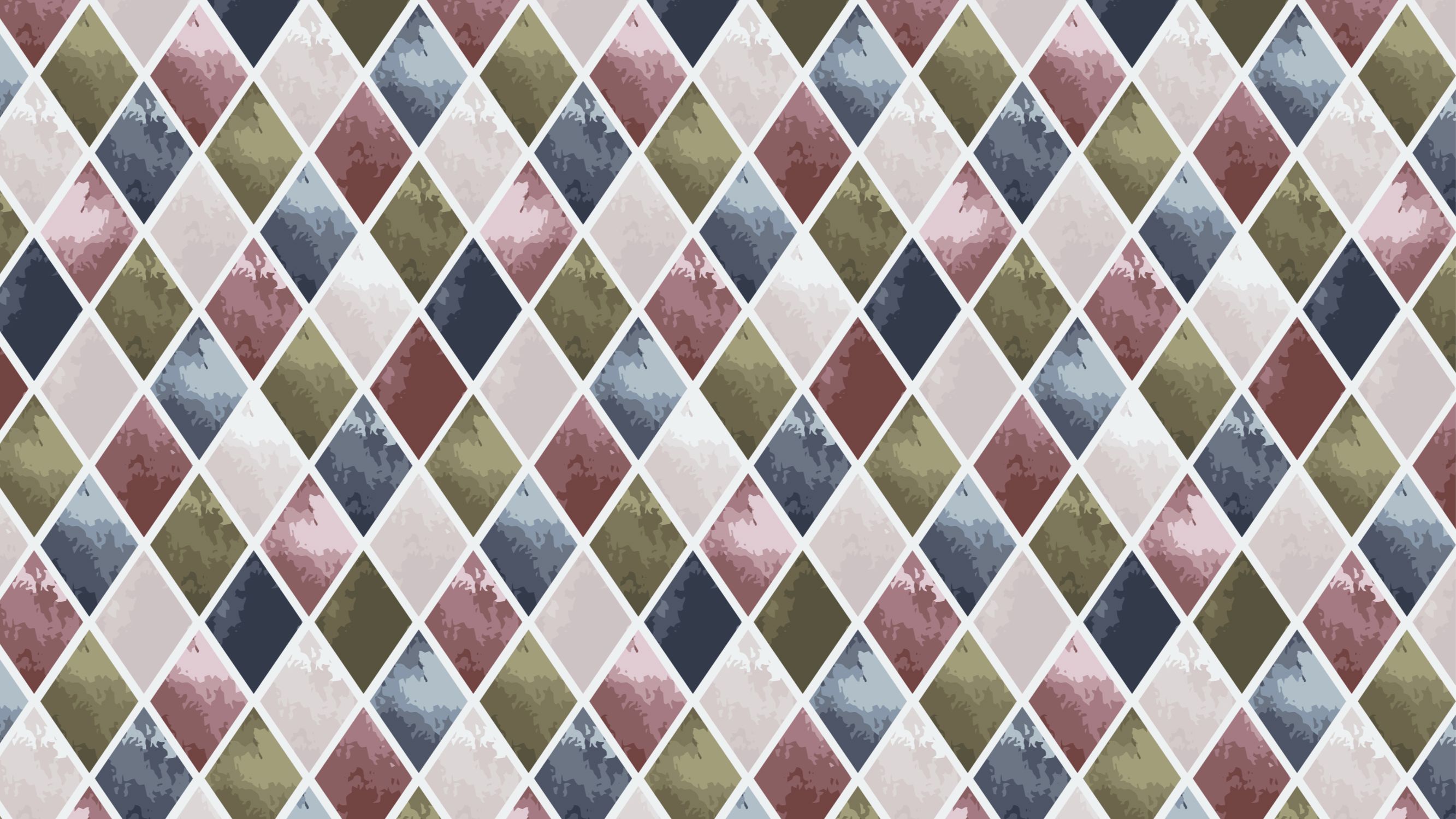
Court jesters and vintage circuses. Romantic stories, covers with brooding men and fainting women.You’re probably not alone to associate the name Harlequin with those concepts, but if you’re into art and design you may associate Harlequin with the pattern style of colorful diamond motifs.
But do you know the story behind this pattern style? If not, in this article you'll learn all about its history and also get some tips for how to create your own, unique Harlequin styled pattern design.
The history behind the Harlequin style and pattern
During the Middle Ages groups of jesters travelled around the southern parts of Europe to amuse people. In Italy, around 1550 these groups developed into a specific type of theatre movement called Commedia dell’arte, which is Italian and means ”comedy of the profession”. The Commedia dell’arte plays were mostly parodies of specific professions or people in society. For example greedy old men, cocky soldiers, devious servants, the slacker and the know-it-all doctor.
The stories were more or less the same, with some variations, which led to a set of recurring stereotypes that made up the typical gallery of Commedia dell’arte characters.
The most famous character was Arlecchino. Originally he was a parody of the people of Bergamo (city in Italy). He was slow-witted, with a foul mouth and constantly hungry. His costume was sewn from burlap with patches in different colors, which were to symbolize poverty.
Later he became more witty and mischievous and the costume developed into a more sophisticated dress with distinct geometric shapes and vidid colors. And in the 18th century the name had changed to Harlequin.
Eventually the geometric shapes were refined into the rhombic, diamond shapes separated by white or dark outlines. This style is what we mostly associate with the Harlequin today.
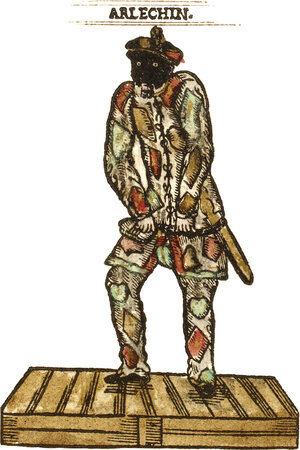
1. Arlecchino was the most famous character in Commedia dell’arte. Here an early version in his burlap costume with sewn on colored patches.
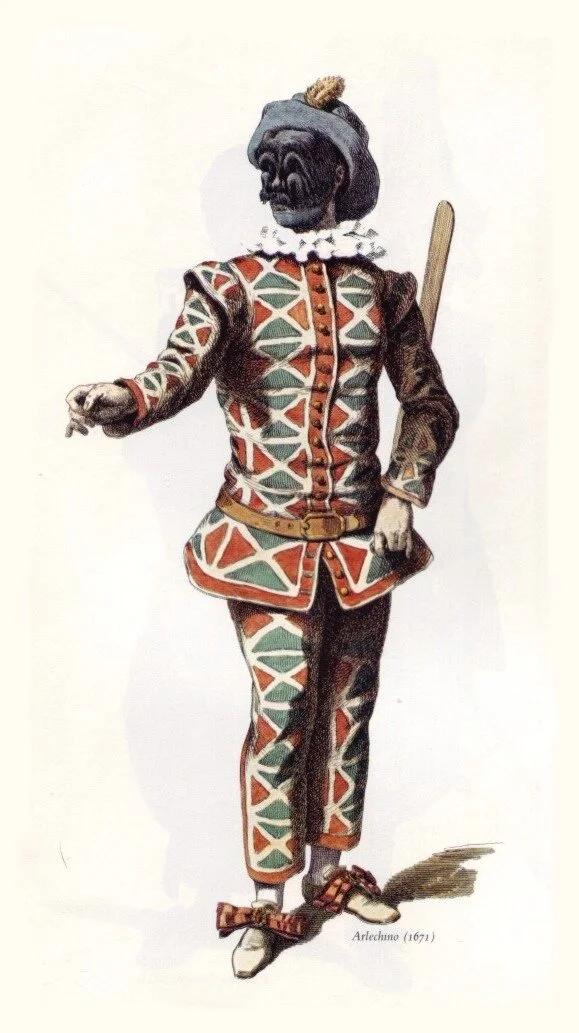
2. Arlecchino in a more evolved suit of triangular shapes in two colors, separated by white spaces
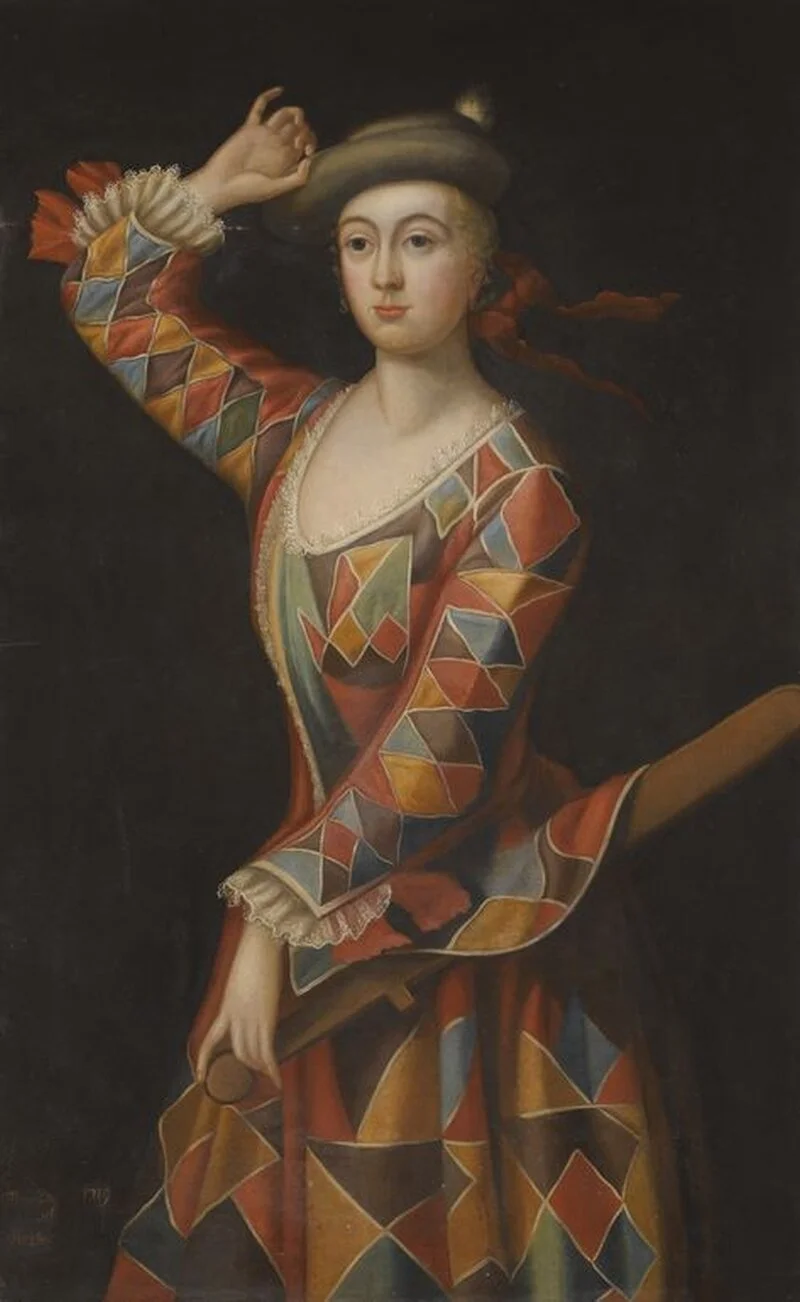
3. Mrs Hester Booth in a Harlequin dress. Oil painting by John Ellys.
Characteristics of the Harlequin pattern style
So you may have thought that a Harlequin pattern is a pretty straight forward, conform pattern style, with diamond shapes in different colors, but there is actually more to a Harlequin than that. There are fun variations to be inspired by, to create your own unique Harlequin styled pattern.
But in order to design a pattern with a sustained Harlequin impression there are some characteristics to have in mind. The fun part is that you can use all of these characteristics but with a twist or new variations, or combine a couple of them with other elements and create something novel and unique for you.
Here are the typical characteristics of the Harlequin pattern style:
Geometric shapes
The most traditional and typical Harlequin patterns as we know them today has rhombs, lozenges or diamond shapes, mostly in a vertical direction, but can also be horizontal and in a structured diagonal layout.


Other common shapes are triangles and squares that can be arranged in a couple of versions.
-
Four triangles arranged in a square
-
Arranged as two part diamonds
-
Unstructured in a seemingly tossed layout
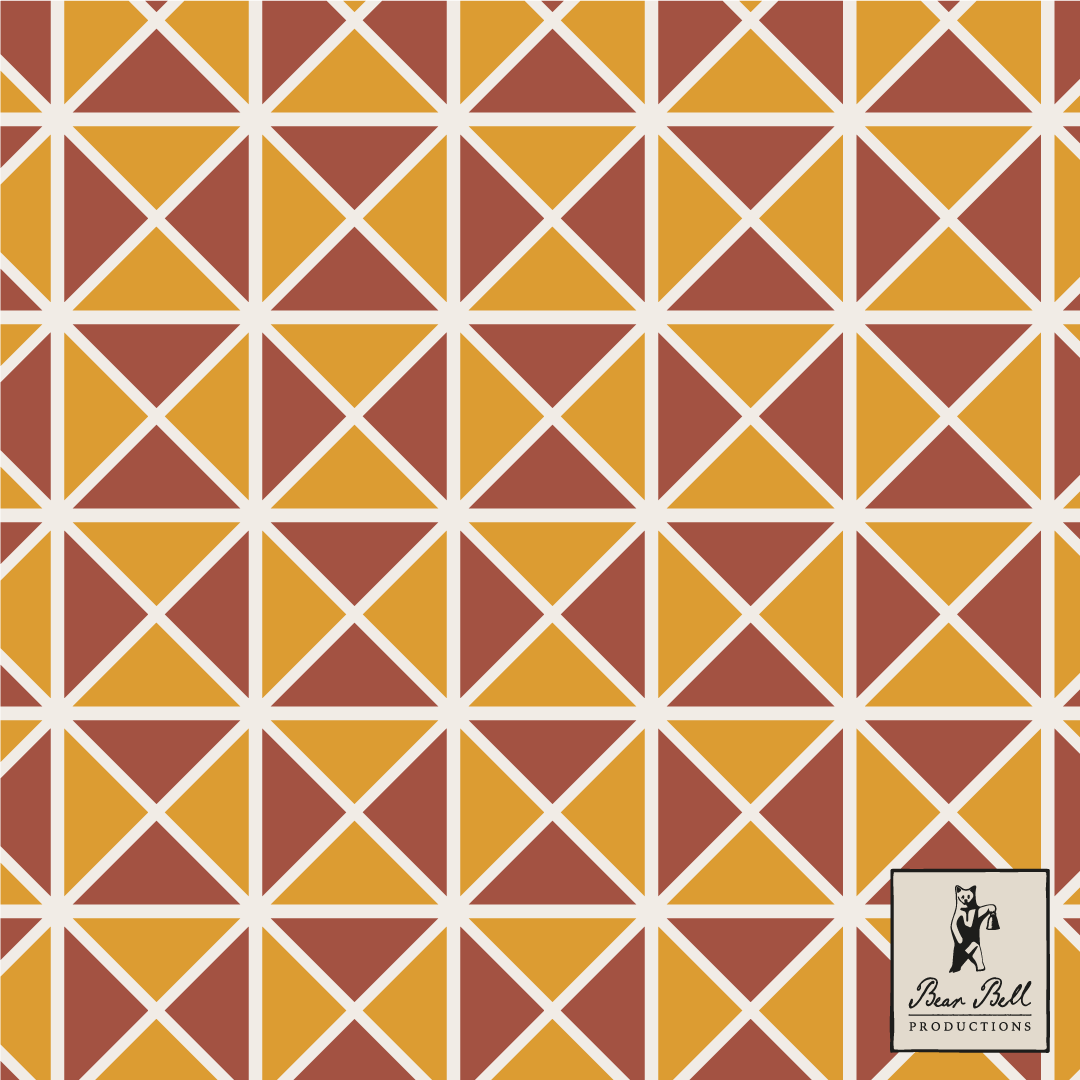
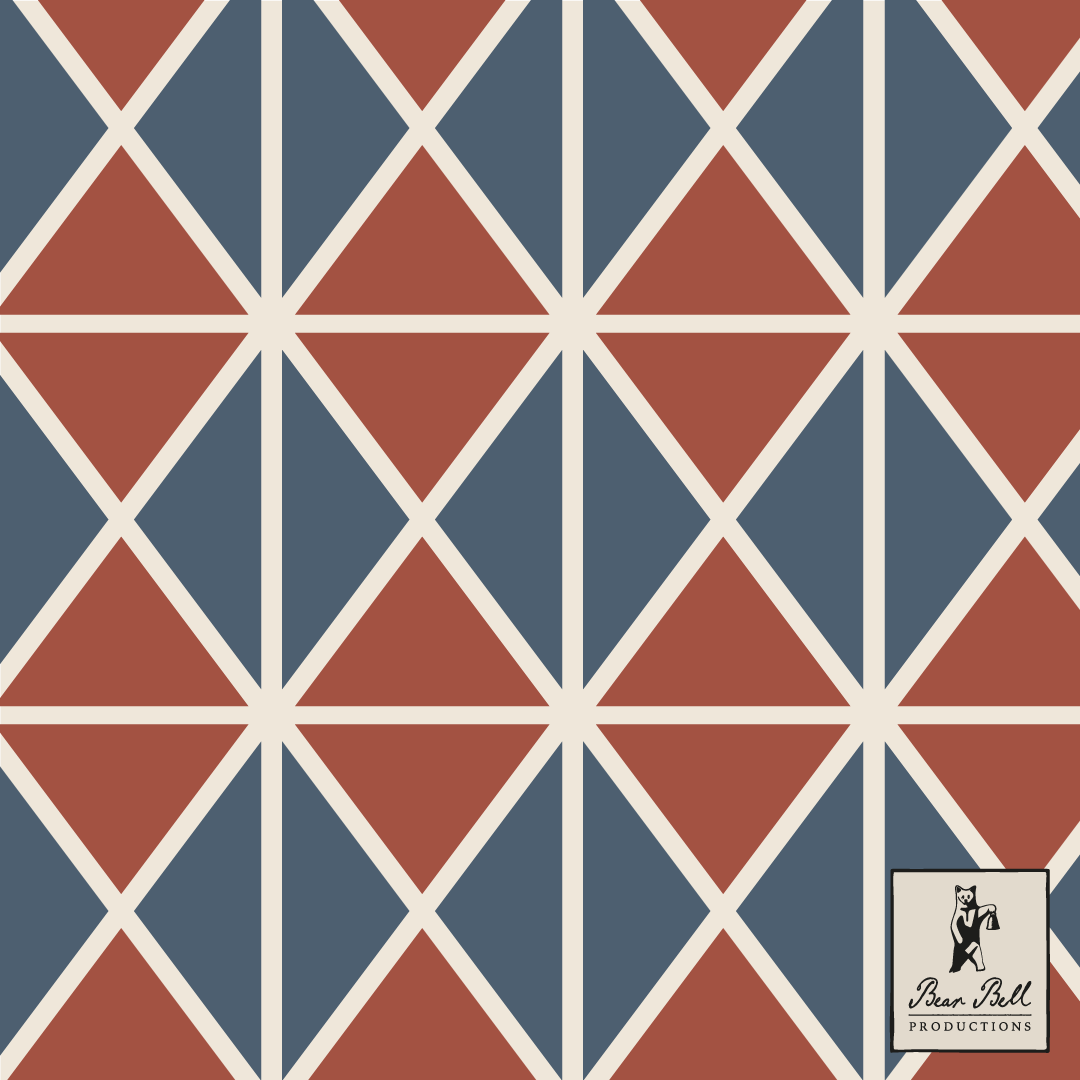
There are also versions with a combination of shapes; diamonds, triangles and squares, but also irregular or non-specific geometric shapes, to help fill a surface, for example a costume.
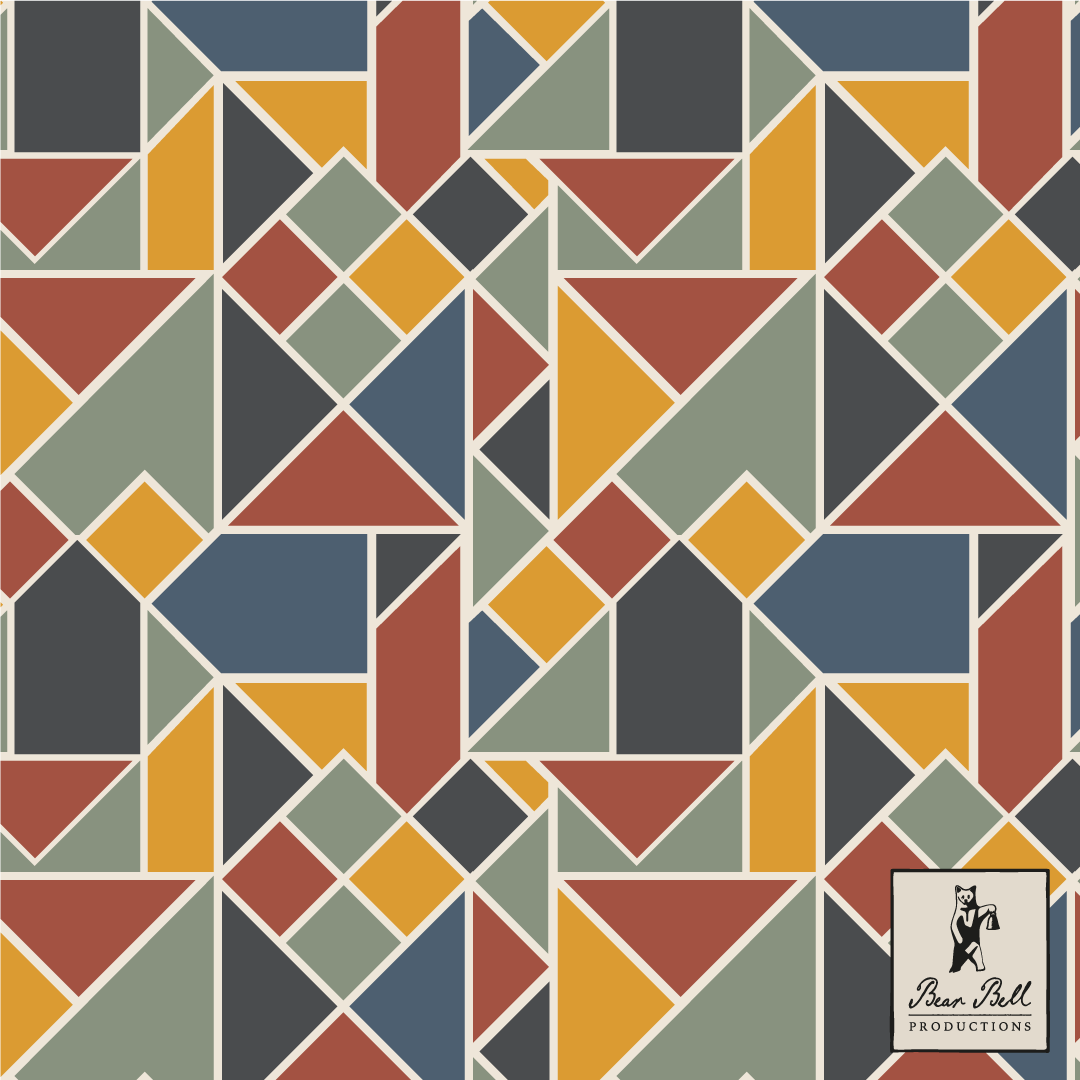
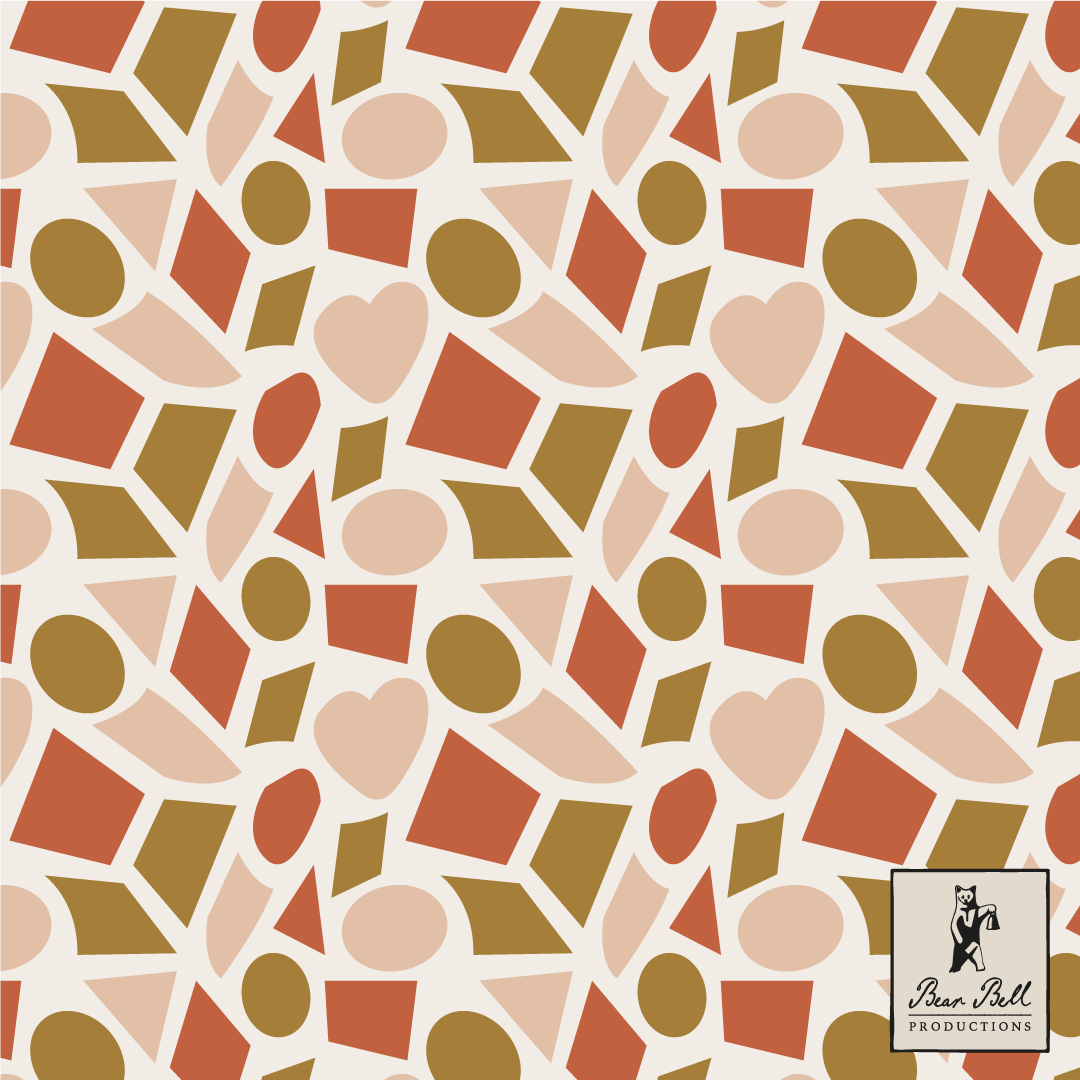
Lines and spacing
Perhaps even more important is the lines, or space between the geometric shapes. Without them it wouldn’t look like a Harlequin, but just a regular check or diamond pattern.
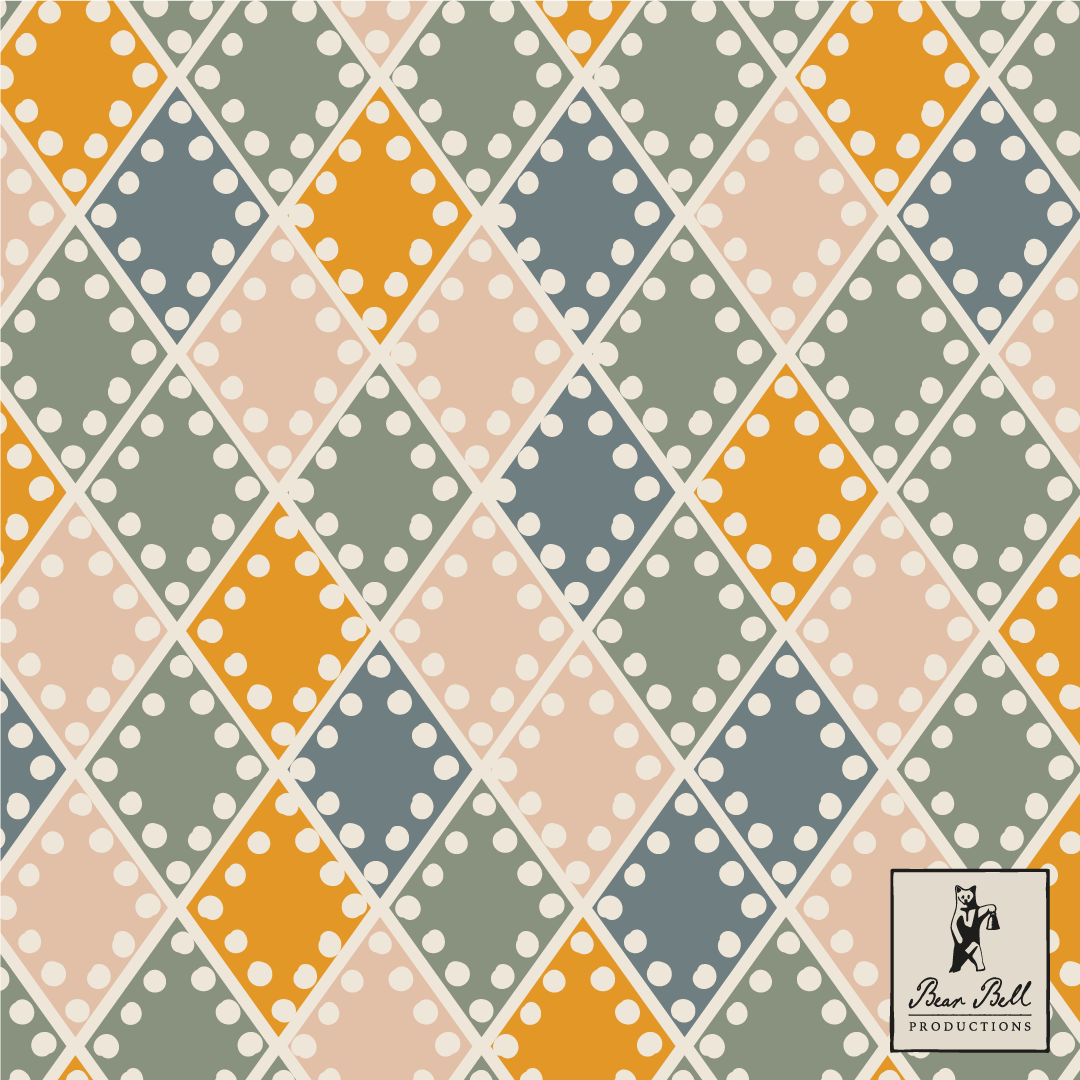
These spaces in-between the shapes can be quite thin and single lines to broader and even double lines.
Colors
The traditional Harlequin costume colors are red, yellow, blue and green. Sometimes even including black. The lines are either white (off-white) or some dark color of black or brown.
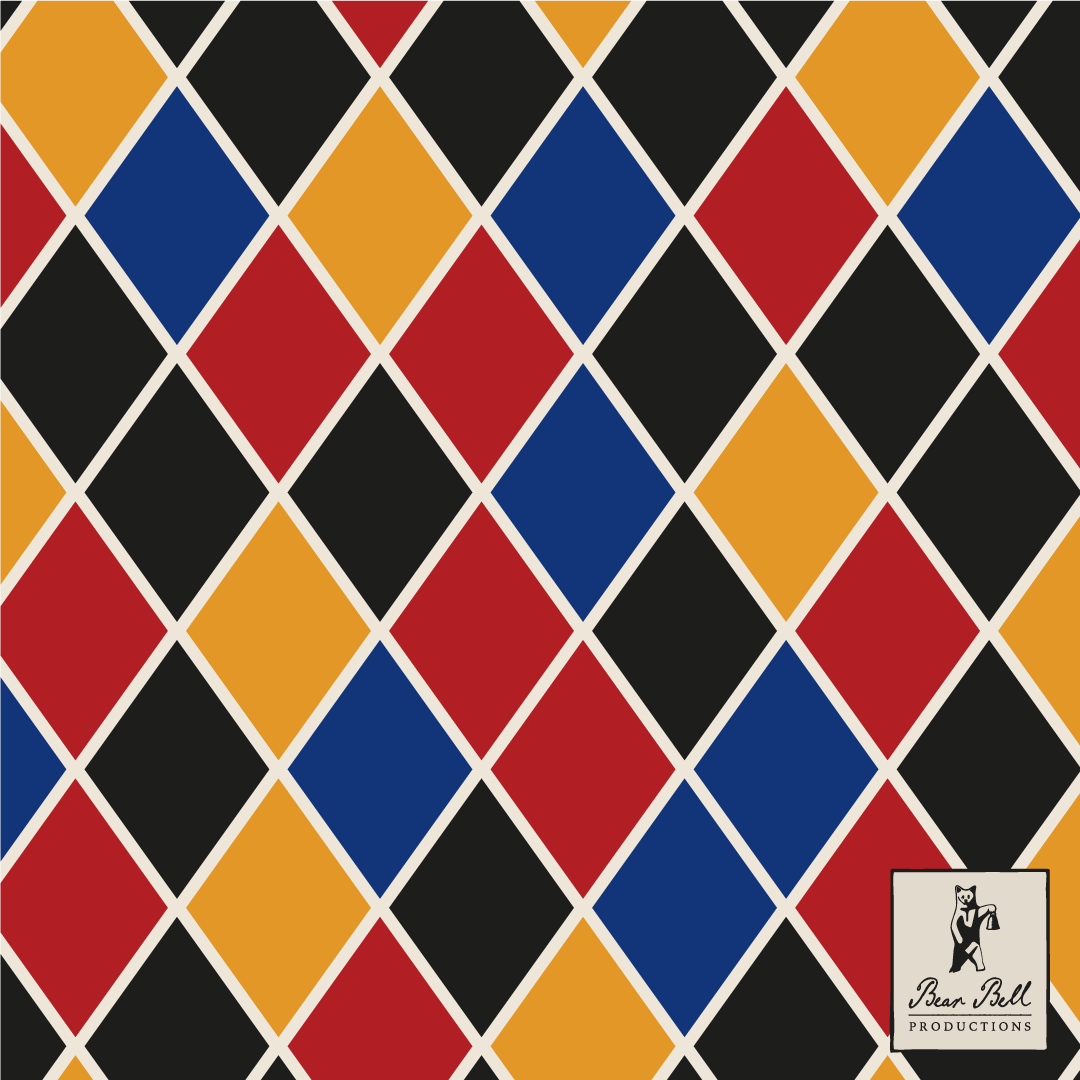
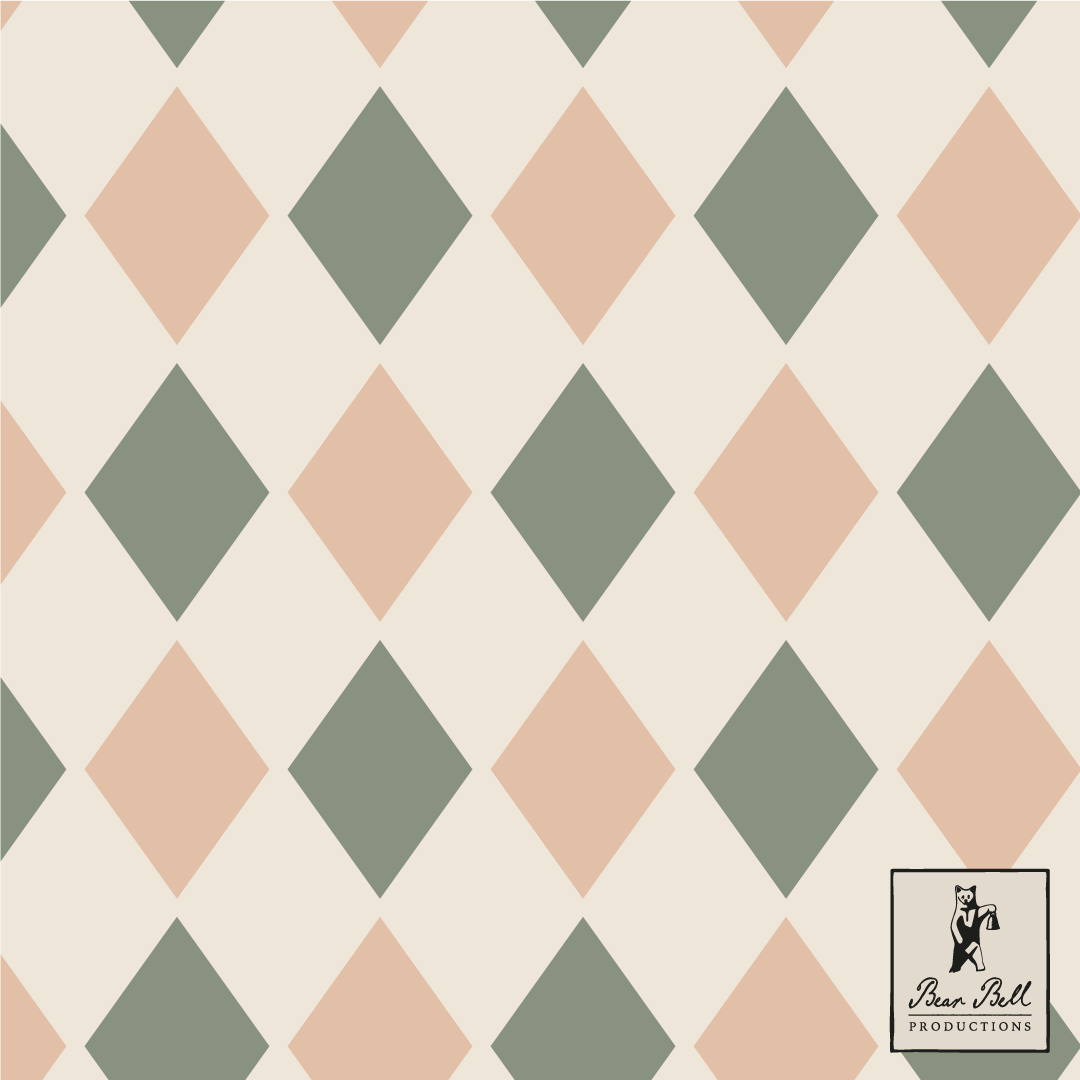
These colors can be combined and varied in different ways, for example only altering two colors for the ”patches” plus the line color.
Modern Harlequin patterns can use all kinds of colors - from pastels to neon.
Tips for creating your own unique Harlequin pattern
So even if the Harlequin can seem like a limited pattern style, it can actually be varied in quite many ways. But if you want to create something novel and alternative, but keeping the Harlequin look and style there are some directions to follow:
-
Use some type of geometric or abstract shapes for the ”patches”.
-
Keep a space or line in-between the shapes.
-
Use multiple colors for your ”patches”, especially if you’re not using a traditional Harlequin shape, like diamonds or triangles. About 4-5 colors is the easiest to alter and work with.
-
If you’re not using vivid and more traditional Harlequin colors, keep the traditional shapes for your patches.